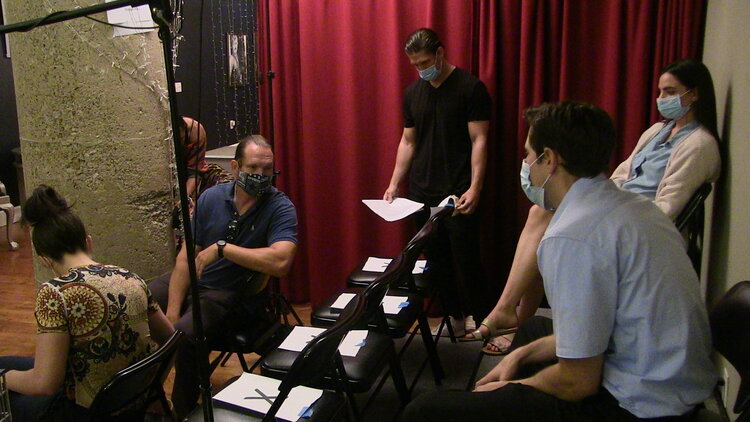
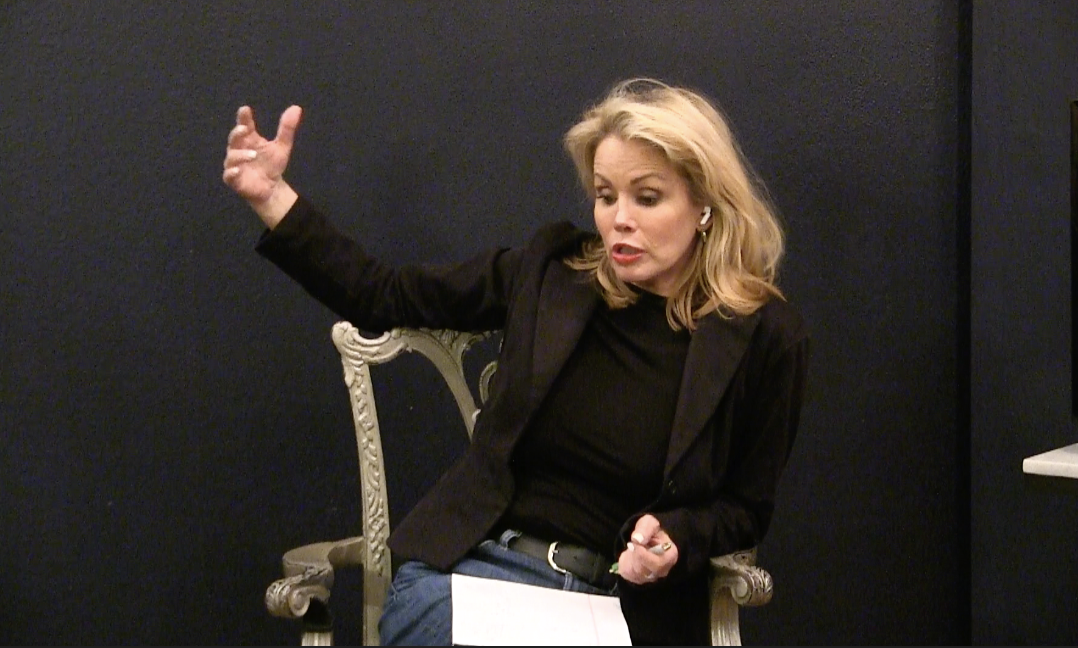
Actor coaching in Dallas has shown me one undeniable truth over 25 years. I've watched complete beginners walk through my door and walk out onto sets they only dreamed about. I've seen raw, unpolished talent explode into real careers. However, I've also watched gifted performers, people with more natural ability than most, quietly disappear from the industry without ever booking the work they deserved. After a quarter century, I've thought hard about what separates those two groups. And honestly, it's not what most people expect to hear.
It's Not Talent
Talent is table stakes. By the time most serious actors seek professional coaching, they already have it. I'm not in the business of discovering raw potential in people who've never stepped in front of a camera. The majority of my students are working, or working toward working, and nearly all of them are talented enough to book. So talent isn't the differentiator. If it were, this industry would be a meritocracy. It isn't.
It's Not Even Technique
Technique matters enormously. I would never downplay it. Learning to truly listen in a scene, understanding how to break down a script, knowing how to be specific rather than general in your choices: these things matter deeply. They are the foundation of everything. However, I've coached actors with exquisite technique who never built careers. Additionally, I've watched people with workmanlike craft book consistently for decades. Therefore, technique is necessary. It is simply not sufficient.
The Real Difference: Treating Acting Like a Business
The actors who make it, who really make it over the long haul, meaning, acting is their only job, understand that acting is both an art and a profession. They don't treat those two things as opposites. Instead, they hold them together. They study their craft relentlessly and they know how to walk into an audition room. They are emotionally available and they understand their type. Consequently, they love the work and they do the work of getting the work. This is what I call the business of acting. For 25 years, it's the piece I've seen most actors underestimate.
So what does the business of acting actually mean? It does not mean being mercenary. It does not mean networking inauthentically or abandoning your artistic instincts. Instead, it means the following.
Knowing who you are in the marketplace. Not who you want to be cast as someday. Who you are right now, and how to walk into a room and own that fully.
Understanding how casting actually works. Casting directors are not your audience. They are your collaborators in a problem-solving process. When you understand their constraints, the time pressure, the specific ask, the need for you to make their job easier, you become someone they want in the room.
Showing up consistently. Not just when inspiration strikes. Not just when the material is great. Every time. Because the actors who get called back are the ones who proved they could be counted on.
Investing in yourself strategically. Classes, coaching, headshots, reels: these aren't expenses. They are investments. The actors who treat them as expenses stop making them when money gets tight. The actors who treat them as investments keep going, because they understand they are building something. According to Backstage, treating your career as a business is one of the most consistent traits among working actors.
Handling rejection without letting it derail you. This one is hard. However, the actors who work long enough to build real careers have developed a relationship with "no" that doesn't destroy them. They process it, learn what they can, and move on.
The Story That Changed How I Teach
Early in my coaching career, I had two students who started around the same time. Both were talented. One was frankly more naturally gifted. The less gifted one kept a spreadsheet. Auditions, callbacks, notes on what she'd done in the room, follow-up dates, contacts she'd made. She treated every audition, even the ones that went nowhere, as data. The more gifted one treated auditions as individual performances, each one unconnected to anything before or after. When she didn't book, it felt random and cruel. She stopped auditioning consistently. Eventually, she stopped altogether.
The first student? She's working. She has been working. She built a career not by accident but by design. That was the moment I understood what I was really teaching.
What I Want for You
I started TBell Actors Studio because I believe actors deserve to be taken seriously, as artists and as professionals. I learned this from Roy London, my coach in LA. I wanted to replicate his classroom here. The two are not in conflict. Furthermore, the greatest work I've ever seen comes from people who are fully committed to both. If you're reading this, you're already doing something right. You're investing in your craft and seeking out guidance and community. That matters.
Therefore, I want to encourage you to take the business side as seriously as you take the artistic side. Study the industry. Know your type. Build relationships. Track your progress. Treat your career like something you're building, not something that's happening to you. Because after 25 years of actor coaching in Dallas, I can tell you: that's the thing that makes the difference.
Frequently Asked Questions
How long has TBell Actors Studio been coaching actors in Dallas? TBell Actors Studio has been coaching actors in Dallas for 25 years, offering classes, private coaching, and intensive workshops for actors at every level.
What is the most important thing a Dallas actor can do to build a career? Beyond talent and technique, the most important thing is treating your acting career like a business. That means knowing your type, investing strategically, showing up consistently, and handling rejection professionally.
Does TBell Actors Studio work with beginning actors? Yes. TBell Actors Studio welcomes actors at every stage, from beginners to working professionals looking to level up their craft and their career strategy.
Visit TBell Actors Studio to learn more about classes, private coaching, and the Working Actors Course.