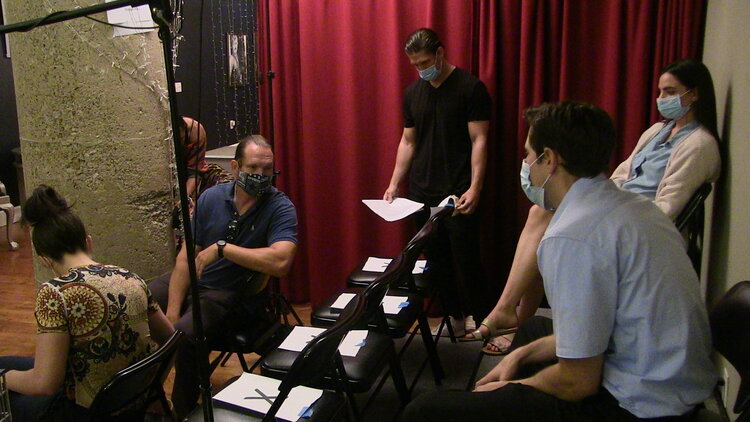


How do I make my acting feel more real and emotional?
To deliver a truly moving performance, an actor must embrace vulnerability, which is the willing choice to expose your innermost thoughts and feelings to the audience. This requires building a foundation of trust with your director and scene partners, eliminating internal distractions through centering techniques, and using emotional release exercises to access a level of authenticity that cannot be faked.
For over twenty years of coaching, I have brought up “The V-Word”—Vulnerability—in almost every class. In acting, vulnerability is defined as willingly putting oneself in front of possible emotional danger. It is the trait that sets successful actors apart.
As I often tell my students at the Theresa Bell Actors Studio: “I don’t believe it is possible to take your audience on a ride you are not willing to go on yourself.” Here are five ways to embrace vulnerability in your craft.
1. Trust the Process
At the heart of vulnerability lies trust. You must cultivate trust in your director, your co-actors, and the material. Trusting your director means accepting constructive criticism as a tool for growth, while trusting your peers creates a safe Dallas rehearsal environment where you can take creative risks.
2. Eliminate Distractions
Internal “chatter” can derail your ability to commit to a character. Use centering techniques like meditation or deep breathing to ground yourself before you hit the stage or set. I highly recommend Julia Cameron’s The Artist’s Way for any actor looking to open up their creativity and clear mental blocks.
3. Be Honest About Your Feelings
Audiences are perceptive; they know when an actor is holding back. Honesty allows you to establish a deeper connection with the viewer. By acknowledging your genuine emotions and letting them guide your Acting Technique, you invite the audience to empathize with your character’s journey.
4. Let the Script Guide You
The script is the roadmap for your character’s mindset. By analyzing the dialogue and thought processes, you can physically embody the role. A well-crafted script provides the clues you need to feel safe while being emotionally exposed.
5. Practice Emotional Release Techniques
Vulnerability isn’t always comfortable. It involves diving into pain, fear, and uncertainty. Techniques such as journaling, improvisation, or even physical exercise can help you access these suppressed emotions. As Brené Brown teaches, vulnerability is not weakness—it is a profound source of strength.
Start Your Journey at Theresa Bell Actors Studio
Learning to shed your insecurities takes courage and discipline. At our Dallas Acting Studio, we provide a supportive environment where you can learn to harness the power of your emotions and achieve a layer of authenticity that is truly undeniable.
Ready to transform your craft? Enroll in our classes today and discover the strength in your own vulnerability.